Written, itemized quotes across Toronto - no obligation
$7 – $20 / sq ft installed Substrate decoupled Large-format capable

Tile installation in Toronto

Ontario Flooring Contractors sets ceramic and porcelain tile across Toronto. Cracked tile and failed grout are nearly always movement underneath, so the substrate gets the attention first.

Flatness corrected before setting, not with extra mortar
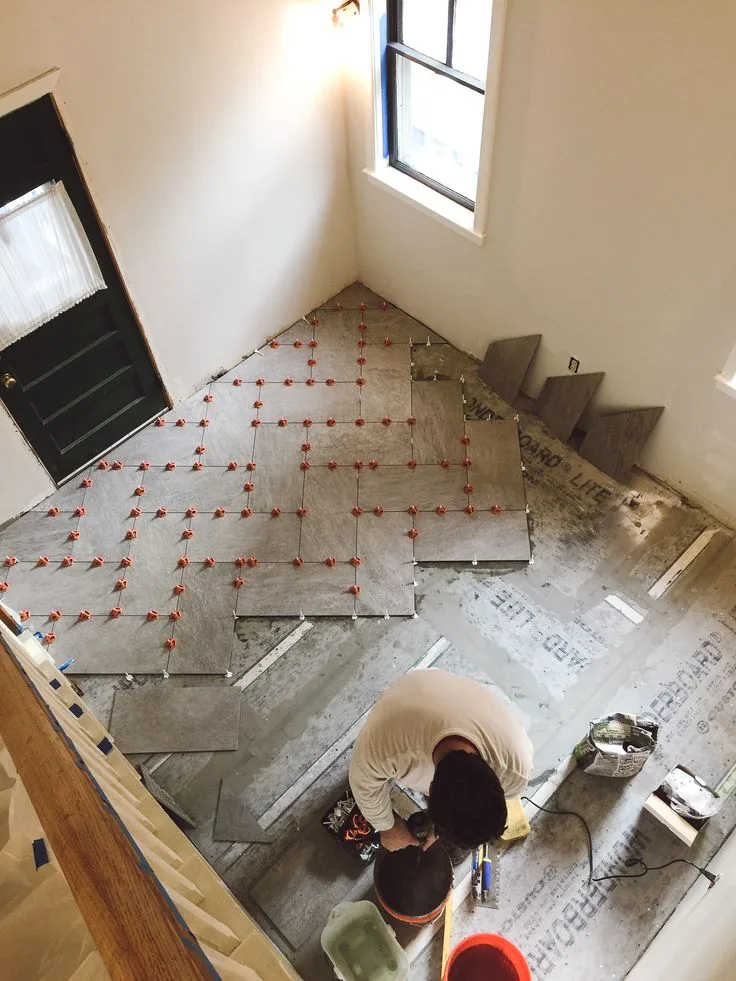
Decoupling membrane over slabs and wood subfloors
Large-format tile set with the coverage it requires
Movement joints where the layout needs them

Price your tile floor

Tell us the room, the square footage and the tile size if you have chosen one.

What can we help with?

So the right crew reviews your project.

No obligation. Any workmanship warranty is set out in your written quote, job by job.

$7-$14 Ceramic installed, per sq ft
$10-$20 Porcelain installed, per sq ft
L/360 Deflection limit tile needs underneath it
$2-$4 Levelling compound, per sq ft
Why tile cracks

A cracked tile is almost always a moving substrate

Tile is rigid and grout is more rigid still. Neither tolerates the substrate beneath it moving, and a wood-framed Toronto house moves seasonally whatever you do. The Ontario Building Code designs floor framing to L/360 deflection under live load, which is adequate for most finishes but marginal for tile over a long span. That is what a decoupling membrane is for: it lets the substrate move a fraction without dragging the tile bed with it. Skipping it saves a few hundred dollars and is the single most common reason a tile floor in this city develops a crack line two winters in.
What your tile installation quote covers

Substrate preparation

Flattening, and an uncoupling or waterproofing membrane where the substrate or the room calls for one. Extra mortar is not a levelling method.

Tile size and layout

Large-format tile needs a flatter bed, more back-buttering and slower setting. Diagonals, patterns and small mosaics all add cutting time.

Movement joints

Perimeter and field joints where the run length requires them. A large tiled floor with no movement joint has nowhere to go but up.

Our Process

How a tile floor is built, layer by layer

1

Assess the substrate

Flatness, deflection, and whether the existing floor or slab can carry tile at all.

2

Flatten and membrane

Levelling compound where needed, then decoupling or waterproofing membrane bonded down.

3

Set the tile

Mortar matched to the tile and substrate, full coverage under large format, spacing and joints set out from the start.

4

Grout and seal

Grout after the mortar has cured, then movement joints in silicone and sealing where the grout requires it.

Worth knowing

Tile is the floor that most rewards underfloor heat

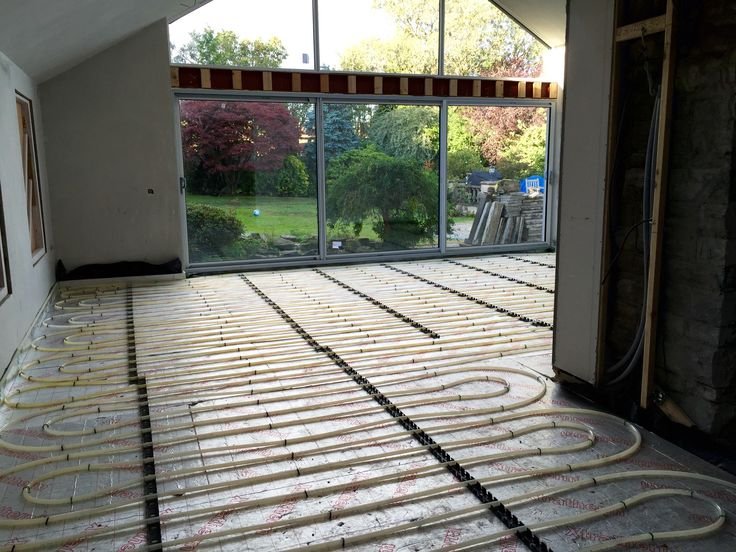
Tile is the coldest surface in the house underfoot and it conducts heat more readily than any other finish, which makes it the finish where in-floor heat pays back most obviously. It is also the finish where retrofitting heat later is most painful, because the mat sits under the setting bed and getting to it means taking up the tile you just paid for. If you have ever thought about heated floors in a bathroom, the moment to decide is while the floor is open, not afterwards.

Tile installation prices in Toronto

Toronto 2026, installed. Membrane and levelling are separate lines, priced from what the site visit finds.

Ceramic installed

$7 – $14 / sq ft

Material and labour together
Standard formats
Straight-lay or brick pattern
Grout and perimeter joints

Get a quote

Preparation lines

$2 – $4 / sq ft

Self-levelling compound $2 – $4
Decoupling membrane quoted per area
Old tile removal $2 – $3
Plywood overlay $2 – $3

Get a quote

Tile installation clients on the finished floor

Reviews collected directly from clients.

5/5

We had several damaged floorboards that needed repair. The team matched the new boards closely with the existing flooring and completed the work with excellent attention to detail.

Christopher W.

Client direct

5/5

We chose Ontario Flooring for luxury vinyl plank installation in our basement. They prepared the subfloor properly, explained the process clearly, and delivered an even, durable finish.

Jennifer M.

Client direct

Tile installation questions

Can you tile over my existing tile?

Structurally it is often possible if the existing tile is sound and fully bonded, and it avoids a messy, expensive removal. The catches are height – you gain the thickness of two tiles and two beds – and risk, because you inherit whatever is under the old tile. Where the old bed is hollow-sounding in places, it comes up.

Why does my grout keep cracking in a line?

A straight crack running across tiles and grout together is movement, not bad grout. It usually means there is no movement joint where the floor needed one, or the substrate is deflecting. Re-grouting it without addressing that just buys a few months.

Is porcelain worth the extra over ceramic?

In an entrance, a kitchen or anywhere that meets Toronto winter salt and grit, yes. Porcelain is denser and absorbs almost no water, so it handles freeze-thaw at a doorway and heavy traffic better. In a low-traffic bathroom, good ceramic is perfectly adequate.

Do I need a heated floor under tile?

You do not need it, but tile is the finish that benefits most, because it is the coldest underfoot. If you are tiling a bathroom and have ever considered heat, the mat goes in during this job or not for another fifteen years.

Get your substrate assessed for tile

Deflection, flatness and membrane, priced before anything is set.

Back to top